How tall
it stands

Type the span. A cattle panel bends into an arch, and the page writes the height, the headroom, and what to buy.

6 ft 7 in

Straight sides of 4 ft 1 in, then a half-round top.

Clears 6 ft across 3 ft 2 in of the span.

Starting example: a 16-foot panel across 5 feet. Change it below.

See what to buy
Ends, headroom, and a tunnel

Two ways it bends

A panel is a fixed length of wire. A narrow span keeps two straight legs. A wide span spends the whole panel on one arc.
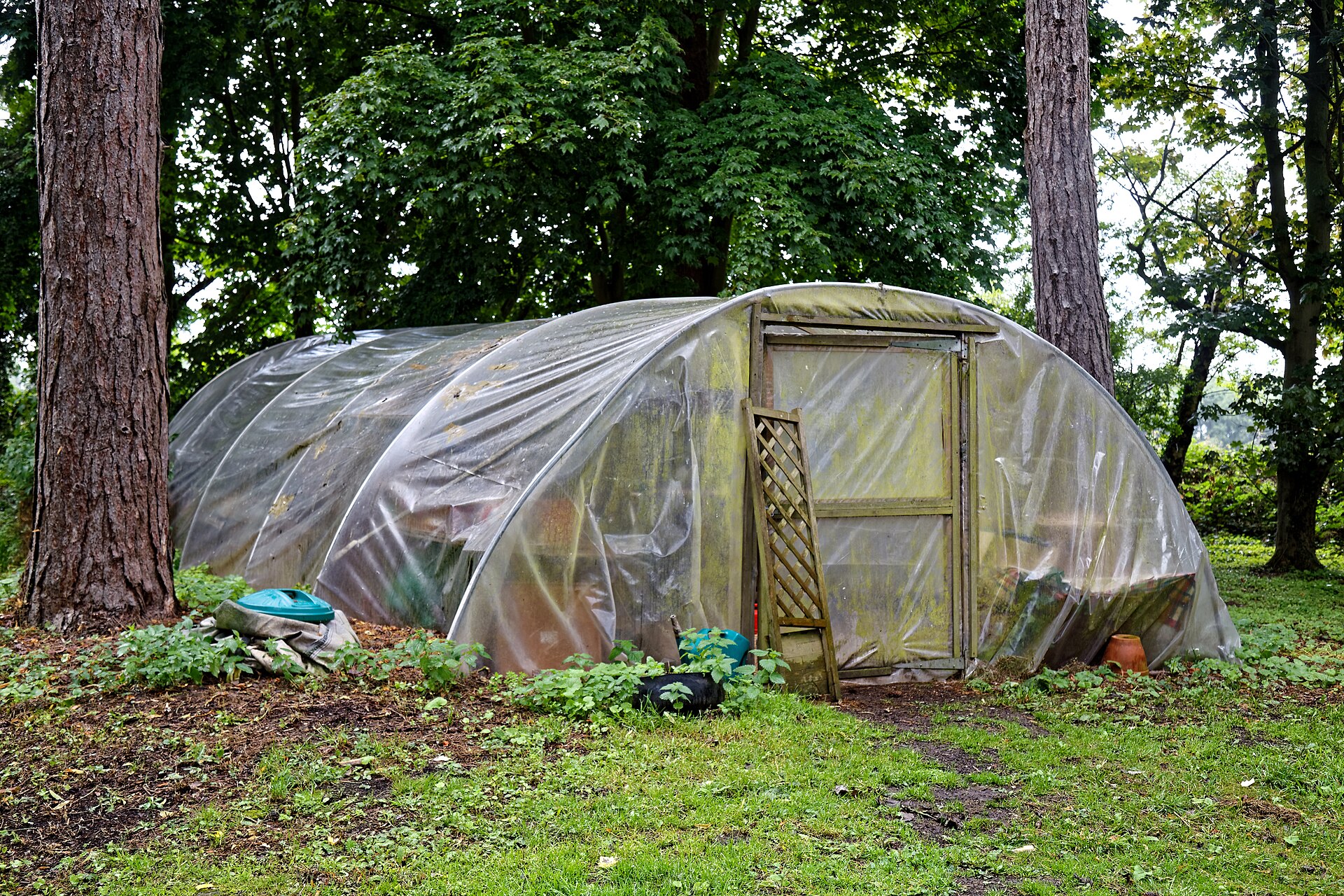
A plastic-covered hoop tunnel with a wooden door, standing between two pines
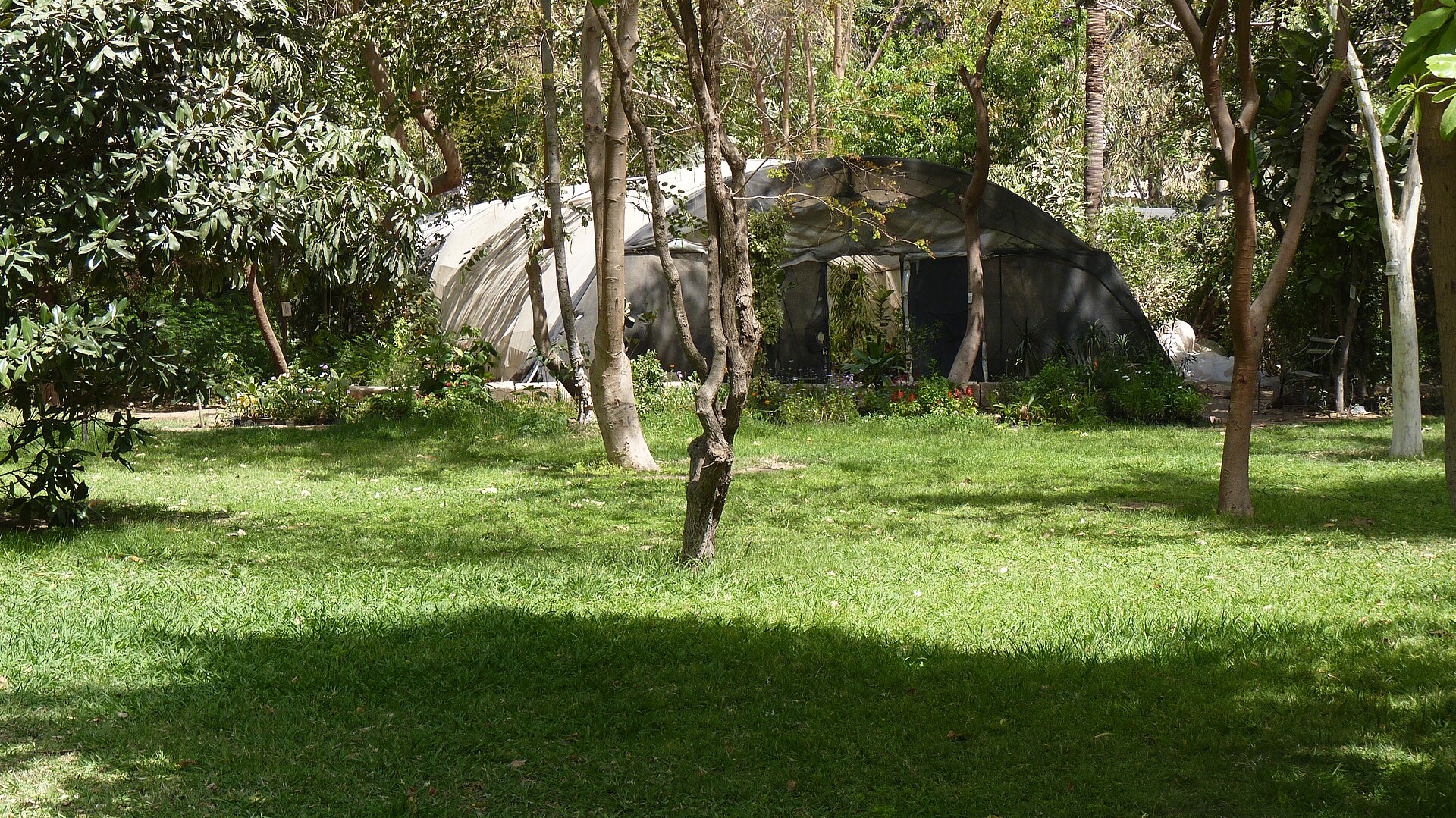
A low dark hoop house on a lawn among trees
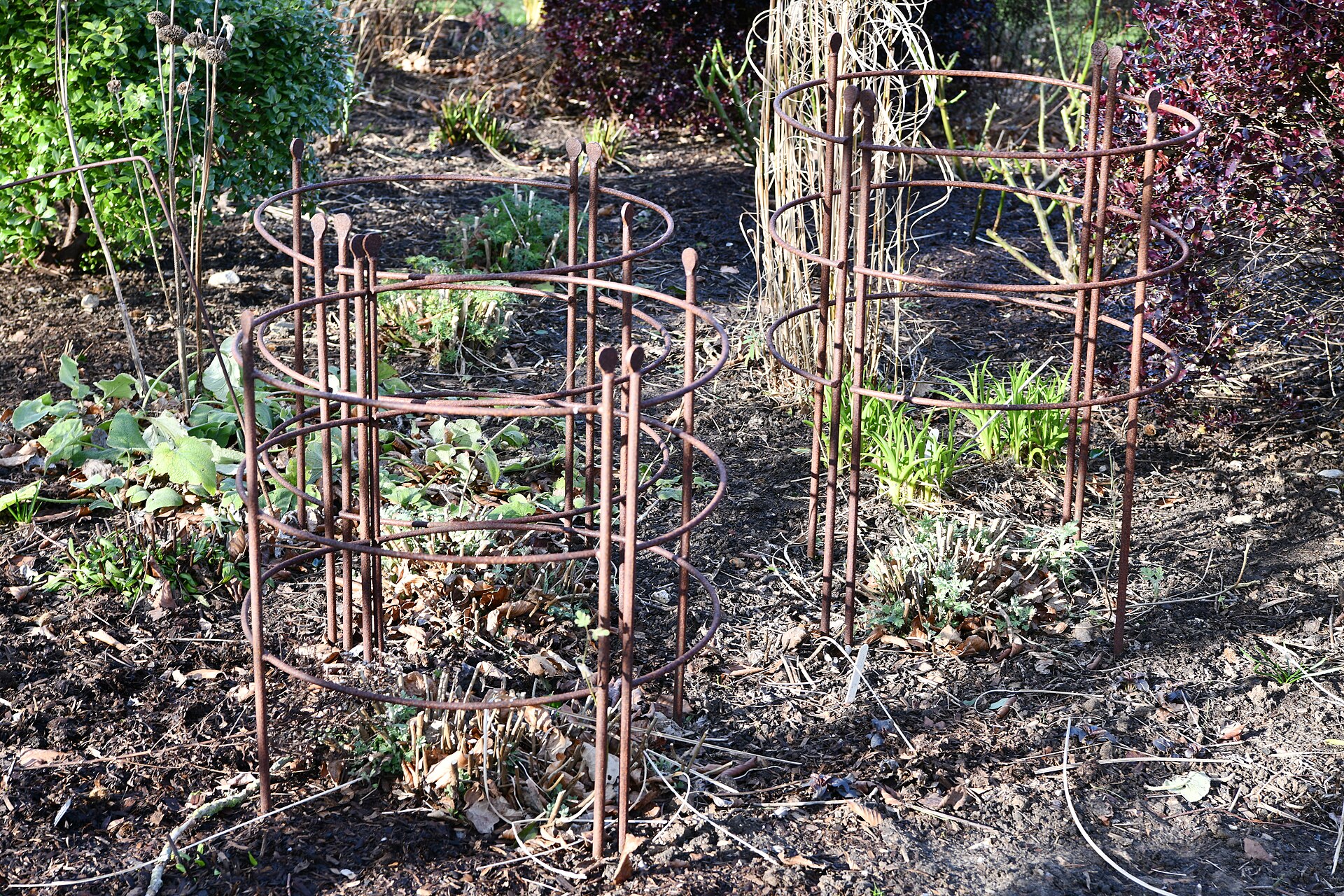
Rusted wire plant hoops standing in a garden bed, not a cattle panel

Buy

For the span on the tag. The counts follow the form. The store sets the price, so none is printed here.

Panels

1 panel, 16 ft

Search cattle panels
Posts

2 T-posts, one at each end

A single arch wants one post at each end of the span. A tunnel wants a pair at every rib, which is two times the panel count plus one. Six-foot posts are the usual rack.

Search T-posts
Clips

8 clips, four at each post

Four clips at a post is enough to keep the end wire from springing. Count them against the panel in your hand before you leave the aisle.

Search panel clips
Cover

No cover counted for a single arch.

For a tunnel, the rough cloth is the panel length times the panel width, times the number of panels. Add your own extra for the two ends, a door, and overlap.

Search greenhouse film

These are affiliate links. A purchase can earn this site a commission, and the calculator stays free either way. Panels are often cheaper in the yard at a farm store than in a box.

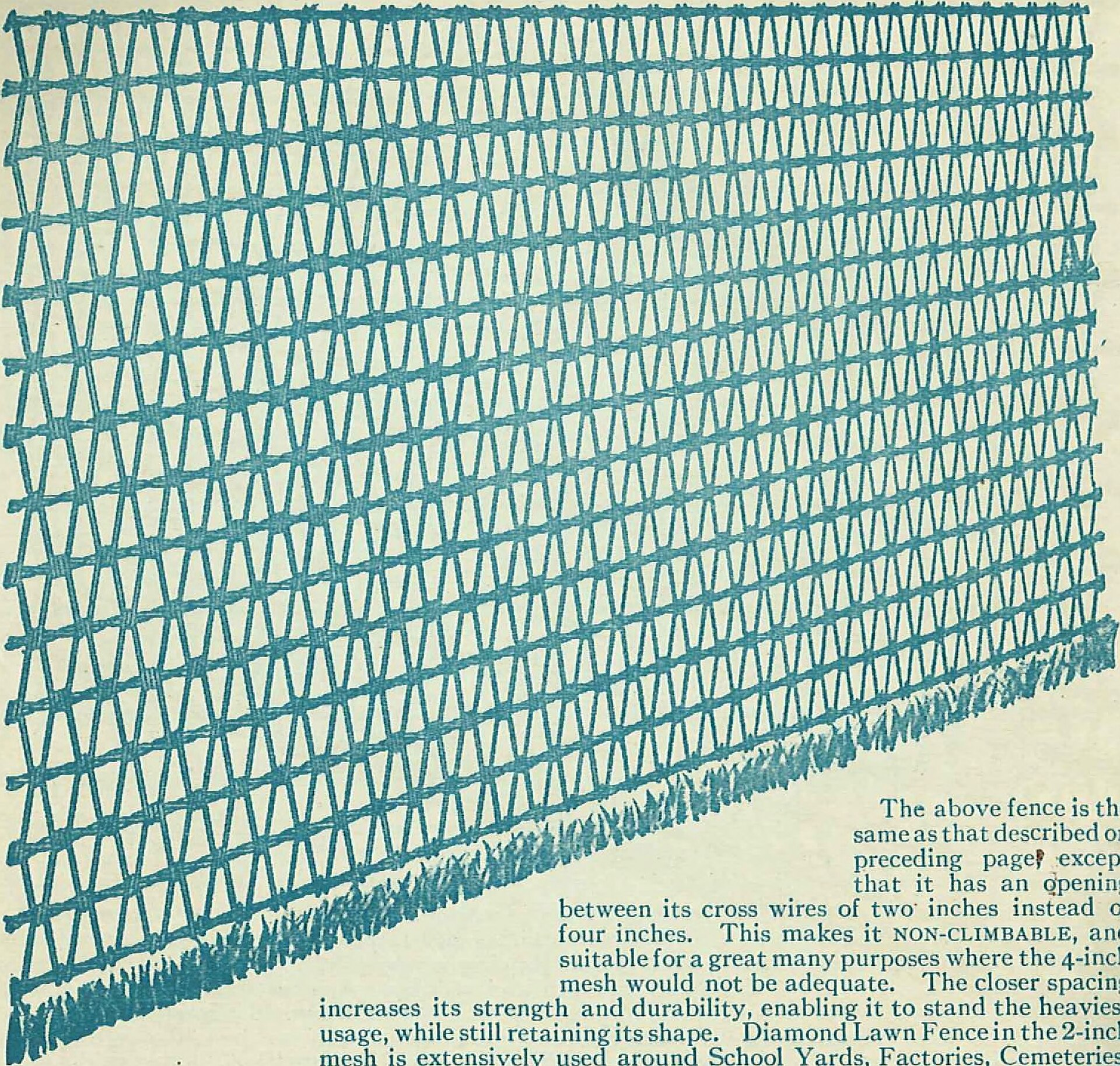
A 1915 catalog engraving of a sheet of woven wire fence

The arch on the first screen is a drawing of your span. These pictures are other wire and other hoop houses, not a panel you can order from this page.

Where it stops

No. The page only bends a fixed length of wire between two ends. Snow, wind, and a cover that holds water are a different problem, and this estimate does not take them on.

Rocky ground, buried lines, and a post that kicks sideways are outside the count. The number of posts assumes each one can be driven where the rib lands.

Stock panels are often called 16 feet and about 50 inches wide. Measure the one on the rack and type that length. The figure follows what you type, not the name on the tag.

It is a planning estimate for marking posts and buying materials. Fences, setbacks, and permits belong to the place you are standing, and this page does not know that place.

A low dark hoop house on a lawn among trees Rusted wire plant hoops standing in a garden bed, not a cattle panel